Timing Belt Replacement
Timing Belt Replacement in Fayetteville, NC
Timing Belt Service for All Vehicle Makes and Models
The Role of Your Vehicle’s Timing Belt
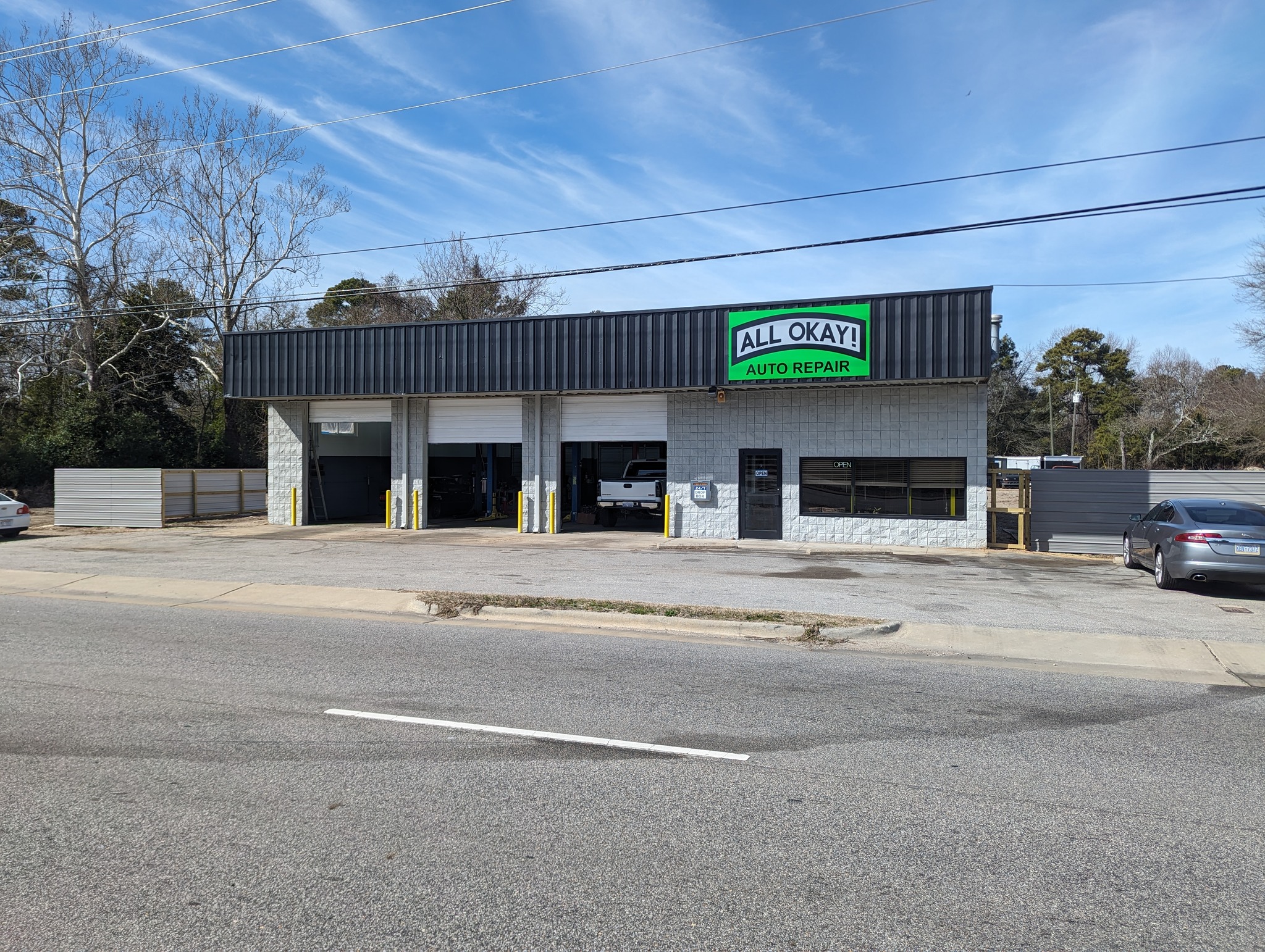
Your vehicle’s timing belt serves as the synchronization system between your engine’s crankshaft and camshaft, ensuring valves open and close at precisely the right moments during each engine cycle. At All Okay! At Auto Repair, our ASE-certified technicians understand that timing belt replacement is one of the most crucial preventive maintenance services for interference engines. Located at 4006 Camden Rd., Fayetteville, NC 28306 in Fayetteville, NC, we’ve helped countless drivers avoid catastrophic engine damage through proactive timing belt service. When this critical component fails, the consequences can be devastating, potentially resulting in bent valves, damaged pistons, or complete engine destruction. Our computerized diagnostic equipment allows us to accurately assess the condition of the timing belt and recommend replacement based on manufacturer intervals, typically ranging from 60,000 to 100,000 miles, depending on your vehicle’s make and model. The timing belt works in conjunction with several other components, including the water pump, tensioner, and idler pulleys, which is why we often recommend comprehensive timing belt service rather than isolated belt replacement.
Know the Signs of Timing Belt Problems
Recognizing the early warning signs of timing belt wear can save you thousands in potential engine repairs and prevent unexpected roadside breakdowns. High mileage on your current belt, particularly approaching or exceeding manufacturer-recommended replacement intervals, should trigger immediate inspection regardless of apparent belt condition. Engine misfiring often indicates timing belt stretch or tooth wear, causing the camshaft timing to drift from optimal specifications. Squealing noise from the timing belt area typically signals bearing failure in the tensioner or idler pulleys. These components should always be replaced during timing belt service. Visible cracks on the belt surface, fraying edges, or missing teeth represent immediate replacement needs that shouldn’t be delayed. Oil leaking onto the timing belt from camshaft seals or crankshaft seals accelerates belt deterioration. It creates slip conditions that affect engine timing. Our experienced technicians at All Okay! Auto Repair perform thorough visual inspections of the timing belt system during routine maintenance, checking timing marks alignment and assessing the condition of all related components to prevent unexpected failures.
Timing Belt Replacement and Related Services
Our timing belt replacement service extends far beyond simple belt installation, encompassing a complete system overhaul that ensures optimal engine performance and longevity. During timing belt and water pump replacement, we simultaneously address the tensioner, idler pulleys, and timing cover components that commonly fail within similar mileage intervals. The water pump replacement during timing belt service makes economic sense since accessing the water pump requires identical labor procedures, and water pump failure shortly after timing belt replacement necessitates repeating the entire service. We also inspect and replace camshaft seals and crankshaft seals when leakage is detected, preventing oil contamination of the new timing belt. Our comprehensive approach includes coolant flush service to ensure optimal cooling system performance with the new water pump installation. Additional services, such as drive belt and valve cover gasket replacements, are often performed simultaneously when access permits, maximizing value and minimizing future repair needs. You can reach All Okay! Auto Repair at (910) 705-8003 to schedule your timing belt inspection, and our team will provide transparent recommendations based on your vehicle’s specific needs and mileage history.
Frequently Asked Questions